
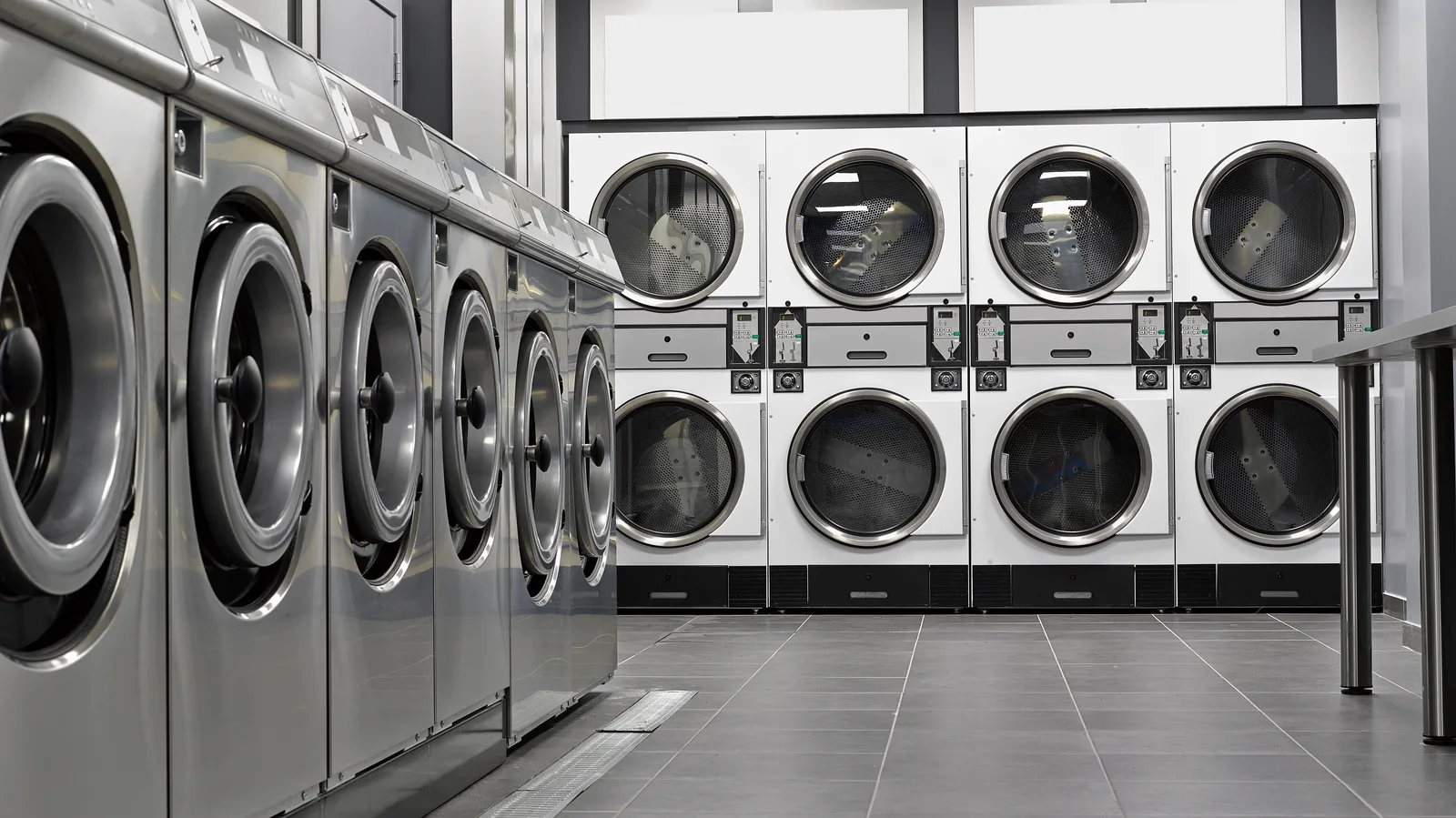

A business owners policy, or BOP, packages a laundromat’s property insurance, general liability, and business income coverage into one policy, and it leaves out workers’ compensation and commercial auto. Most single-location laundromats start here. Whether the package is enough depends on the endorsements added to it and the separate policies bought beside it.
What a BOP packages
A business owners policy is a bundle, not a single coverage. It joins property, liability, and business income coverage, and each part answers a different kind of loss. The NAIC glossary of insurance terms is a plain reference for the vocabulary used in this post.
The property part covers what you own or are responsible for at the store: washers and dryers, water heaters, changers and card systems, folding tables, signs, and the improvements you built into a leased space. The liability part responds when a customer or visitor is injured or their property is damaged and you are held responsible. The business income part replaces income and pays continuing expenses when a covered loss forces the store to close or slow down. Our property insurance and general liability pages explain each part in depth.
Why insurers offer laundromats a BOP
Insurers designed the business owners policy for small and mid-sized businesses with fairly predictable exposures, and a neighborhood laundromat fits that description. Bundling makes the policy simpler to buy and to renew. The SBA guide to business insurance walks through the common types of coverage a small business considers and how to assess the risks behind them.
Each insurer writes its own eligibility rules. Those rules look at the type of business, the size of the premises, the sales, and the operations on site. A single self-service laundromat usually qualifies. An operator with many locations, a dry cleaning plant, or a commercial laundry with business accounts may be offered a commercial package policy instead, which provides the same kinds of coverage with more room to tailor each part.
What a laundromat BOP leaves out
The package has edges, and the claims that surprise owners sit just past them. Workers’ compensation is never part of a business owners policy. It is a separate policy required under state law when you have employees, and the Department of Labor list of state workers’ compensation officials points to the agency that sets the rules in your state. Vehicles need commercial auto. Claims by employees about hiring, firing, or harassment need employment practices liability.
On the property side, flood and earthquake are typically excluded and written separately. Wear and tear, gradual leaks, and mechanical failure are not covered causes of loss under the basic property wording. Customers’ laundry in your custody gets only limited protection unless you add coverage for it. Knowing these edges is more useful than memorizing the list of what is included, because the edges are where a store ends up uninsured.
The endorsements laundromat owners ask about
An endorsement changes the policy, and a laundromat BOP usually needs several. Equipment breakdown comes first. A store’s income depends on machines, boilers, and water heaters, and a breakdown is not fire or theft, so it needs its own coverage. Our post on equipment breakdown coverage explains what it does.
Water is the next concern. Ask about water or sewer backup and about how the policy treats a failed supply line. If you take in wash-dry-fold or drop-off orders, ask for coverage for customers’ goods, which our bailee’s coverage page describes. Utility interruption responds when power, water, or gas fails away from your premises. Coverage for money and for damage to changers and card kiosks matters in a business that still handles cash, a subject our post on coin box and card system security covers from the prevention side.
Real-World Scenario: An owner buys a business owners policy for a new self-service store and declines the optional endorsements to keep the first-year cost down. A water heater fails during a busy weekend. The property section does not treat mechanical failure as a covered cause of loss, so the replacement and the days of lost income fall on the owner. At renewal the owner adds equipment breakdown with business income, which is the coverage the store needed from the start.
How business income works in the package
Business income coverage is the part owners understand least and need most. It applies when a covered property loss, such as a fire, interrupts the business. It replaces the net income the store would have earned and pays expenses that continue during the closure, such as rent and loan payments. Extra expense coverage pays reasonable costs to reopen sooner.
The details vary by insurer. Some policies pay the actual loss for a stated period, and others apply a limit you choose. There is usually a waiting period before the coverage begins. Ask how the policy defines the period of restoration and whether income lost to an equipment breakdown or a utility failure is covered or needs an endorsement. Our post on business income coverage for laundromats works through the mechanics.
Owning the building versus leasing the space
The property part of the policy is set up differently for an owner and a tenant. If you own the building, the policy needs a building limit as well as a limit for your business property, and a lender will usually ask to be named on it. If you lease, the landlord insures the structure and your policy covers what is yours.
For a tenant, the item to get right is improvements. A laundromat tenant often pays for plumbing, drains, gas lines, venting, electrical service, and flooring that become part of the building. The lease decides who must insure that work and who replaces it after a fire. If the lease puts it on you and your limit covers only the machines, the build-out is uninsured. Read the lease clause on improvements, glass, and signs, and set the business property limit to include everything the lease assigns to you.
How to read a BOP quote
Read a quote in the order a claim would test it. Start with the property limits and ask whether equipment is valued at replacement cost or actual cash value. Check that your improvements to a leased space are included in the limit. Look at the liability limits, then at the deductible for property claims. Ask whether a separate, larger deductible applies to wind or hail where you operate, and whether older machines would be paid with depreciation taken off. Both answers change what a claim puts back in your hands.
Then read the endorsement list, which is where two quotes that look alike turn out to differ. One may include equipment breakdown and water backup, and the other may not. A lower price often reflects a shorter list. If a lease or loan sets requirements, compare them to the quote line by line. Our post on laundromat insurance requirements explains the wording landlords and lenders ask for.
When you outgrow a BOP
A business owners policy has limits on how far it stretches. Adding more stores, a full-service operation with a large wash-dry-fold volume, a delivery route, or commercial accounts can move you past an insurer’s eligibility rules. At that point a commercial package policy does the same job with each coverage written and limited on its own.
Higher liability limits than the package offers come from an umbrella policy, which our post on umbrella insurance for laundromats explains. Tell your agent before the business changes, not after. An operation that no longer matches the policy description is the kind of gap that surfaces during a claim.
What to bring to the quote conversation
A good quote starts with accurate facts. Have the address, the square footage, the construction and age of the building, and whether you own or lease. List the machines with their ages, the payment system, the hours, and whether the store is attended. Describe every service: self-service only, wash-dry-fold, drop-off, pickup and delivery, vending.
Bring the lease, any loan documents, and your loss history. Your state insurance department, listed in the NAIC directory of insurance departments, can confirm that an agent or insurer is licensed. Our guide to what insurance a laundromat needs shows where the BOP sits in the full program. When you are ready to see a package built around your store, request a quote.