
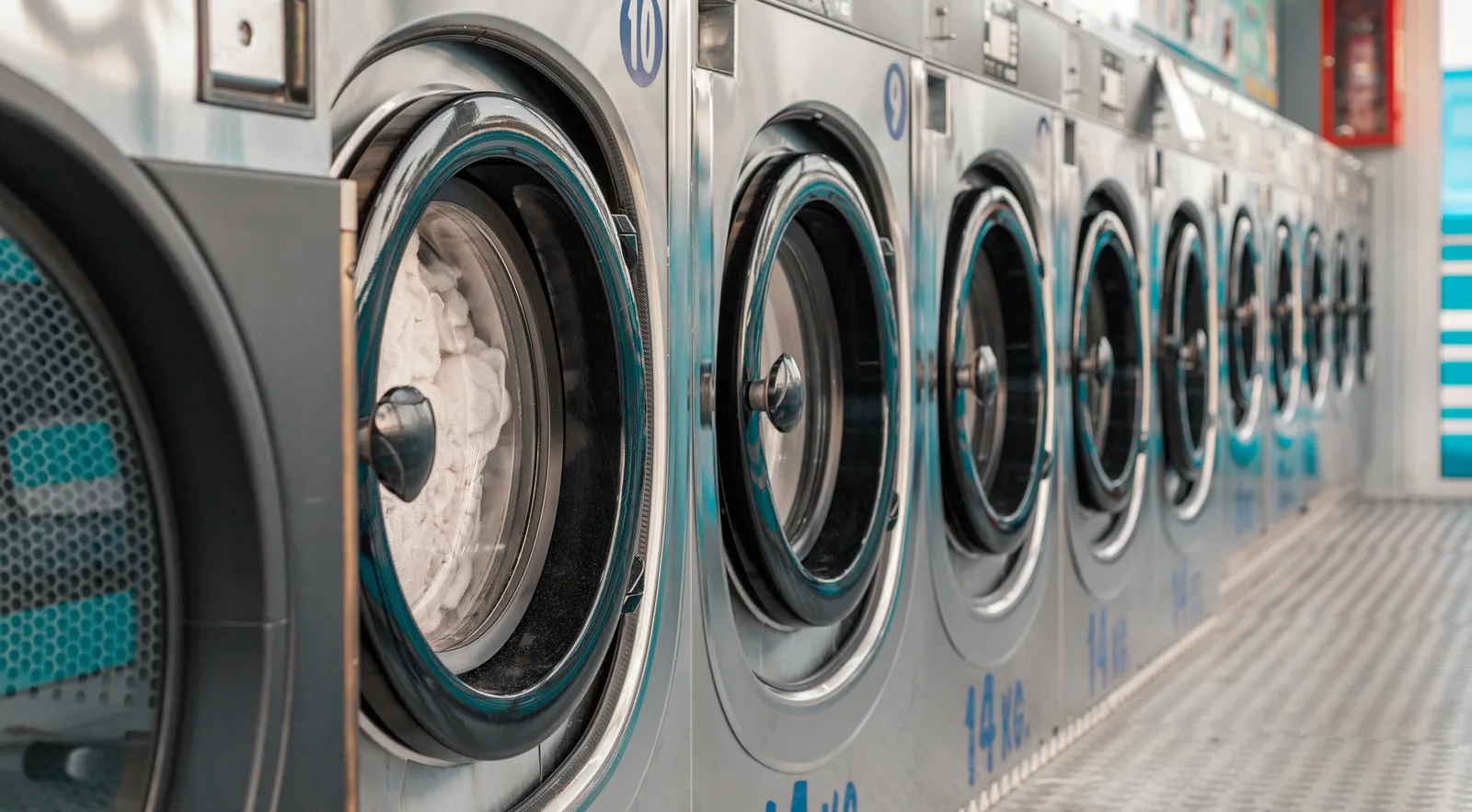

Whether insurance covers a flooded laundromat depends on where the water came from. A standard commercial property policy usually excludes flood, meaning rising surface water from outside, but it often covers sudden internal water damage such as a burst pipe or a failed washer hose. Water that backs up through floor drains usually needs a backup endorsement, and true flood needs a separate flood policy from a government program or the private market.
Why the source of the water decides the claim
Insurers sort water losses by origin because each origin carries a different kind of risk. Water released suddenly from inside the building, by a pipe or an appliance, is a localized accident. Water rising from outside affects whole neighborhoods at once, so most property insurers exclude it and leave it to specialized flood coverage. Water pushed back through drains sits in between and is usually handled by an endorsement.
For a laundromat, that sorting matters more than for most businesses. A store runs supply lines to every washer, carries large volumes of hot water, and sends wastewater into floor drains all day. Any of those systems can fail. The property insurance page explains how the core policy is built, and this post walks through the water side of it.
What the property policy usually pays for internal water
When water escapes suddenly from a pipe, hose, or appliance inside the store, the commercial property policy is usually the coverage that responds. It can pay to dry the space, repair floors and walls, and repair or replace machines and contents damaged by the water, subject to the deductible and the policy limits.
Some limits on that promise surprise owners. The policy often does not pay to fix the part that failed, such as the worn hose or the cracked fitting, only the damage the escaping water caused. And it usually excludes water damage that develops slowly: seepage behind a wall, a drip under a machine for weeks, or rot that follows. Insurers treat those as maintenance problems. Routine inspection of supply hoses and valves is the cheapest protection a store can buy.
Water backup is its own coverage
A laundromat sends a large volume of wastewater into its drains every hour. When a main line clogs or a municipal sewer surcharges in a storm, that water can come back up through floor drains and spread across the store. Basic property forms usually exclude backup of sewers and drains, so the coverage has to be added by endorsement.
The endorsement usually carries its own limit, separate from the building and contents limits, and that limit is often modest unless you ask for more. Ask how backup is worded on your policy, what the limit is, and whether it extends to the business income you lose while the store is cleaned. Our guide to comparing property insurance quotes shows where this endorsement hides on a quote.
Flood needs a separate policy
Flood is the exclusion most owners know about and least often fix. Commercial property policies usually exclude surface water, overflowing rivers and lakes, storm surge, and similar rising water, even when the cause is a storm that would otherwise be covered. Protection comes from a dedicated flood policy written through a government program or a private flood market.
Flood policies have their own rules. They commonly include a waiting period before coverage starts, so the time to buy is well before storm season, not when a forecast turns dark. They may cover the building and contents under separate limits, and they may treat basement contents and business income differently from a standard property form. Read why laundromat insurance costs more in coastal and cold-climate states for how geography shapes these choices.
Business income after a flood or leak
A flooded laundromat usually closes. Machines need inspection, floors need drying, and electrical work may need to be checked before customers come back. Business income and extra expense coverage replaces lost income and pays reasonable costs to reopen sooner, but only when the underlying damage comes from a covered cause.
That link is the key point. If a sudden pipe burst floods the store, business income generally follows the property claim. If rising floodwater does the damage and flood is excluded, business income usually does not respond either. Owners in flood-prone areas should ask how their flood coverage, or a separate arrangement, treats lost income, because the closure often costs more than the repairs.
Real-World Scenario: A storm drops heavy rain on a laundromat in a low strip center. Water rises in the parking lot and pushes under the front doors, while the overloaded sewer forces water back up through the floor drains at the same time. The owner’s property policy excludes the surface water and has no backup endorsement. The cleanup, the ruined machine motors, and the week of lost income fall on the owner. A backup endorsement and a flood policy bought the previous spring would have answered most of it.
Washers, dryers, and electrical equipment
Water and electricity are a costly combination in a laundromat. Motors, control boards, payment readers, and change machines can be damaged by a short soak even when the cabinets look fine. Whether that damage is paid depends again on the source of the water and the coverage in place.
Equipment breakdown coverage is a separate question. It responds to mechanical and electrical failure from inside the machine, not to damage caused by outside water. Our post on equipment breakdown coverage explains the difference. After any water event, have a technician inspect and document each machine before it is switched back on, for safety and to support the claim.
Customers’ laundry caught in the water
Drop-off orders, wash-dry-fold bags, and items waiting for pickup all belong to customers. If water ruins them, the loss is usually handled by bailee’s coverage or a customers’ goods endorsement rather than the main contents limit. That coverage has its own causes of loss and may exclude flood the same way the property policy does.
Stores with large volumes of customer goods on site should check this before storm season. Keeping bagged orders off the floor, on racks above the reach of a drain backup, is a simple habit that limits the loss. The bailee’s coverage explainer covers how these claims are valued.
Flood zones, lenders, and leases
Flood coverage is sometimes required rather than optional. A lender financing a building in a designated flood area will usually require flood insurance on it, and a lease may require the tenant to insure improvements against flood or to carry business income coverage that responds to it. Read the loan and the lease before assuming flood is a choice you can defer.
Location is only part of the picture. Many water losses happen outside mapped flood zones, in low parking lots, older strip centers with undersized drains, or basement spaces. A store’s own history, and the history of the street it sits on, often tells you more than a map does. Ask neighbors and the landlord how the site has behaved in past storms, and share the answers with your agent.
Employees who help with cleanup after a flood are working, so injuries during that work fall under workers’ compensation. The Department of Labor list of state workers’ compensation officials leads to the agency that governs the policy where you operate. Wet floors, damaged electrical equipment, and heavy lifting make cleanup a period of higher injury risk, so keep staff away from energized machines until a technician has cleared them.
What to do in the early hours after water damage
Speed protects the store and the claim. Shut off the water source if it is internal and safe to reach. Cut power to affected machines and keep customers out. Photograph and video the water, the source, and every damaged item before cleanup begins, then call your agent or insurer to report the loss.
Most policies require you to take reasonable steps to prevent further damage, and the cost of those steps is often part of the claim. Hire a qualified water mitigation company, keep every receipt, and do not throw away damaged equipment until the adjuster has seen it or agreed it can go. The NAIC glossary of insurance terms is a plain reference for the vocabulary an adjuster will use.
Steps to close the gaps before the next storm
Read the property policy for these points: the water damage wording, any water backup endorsement and its limit, and the flood exclusion. Ask your agent whether the store sits in a mapped flood zone or an area with a history of street flooding, and get a flood quote if the answer is yes or uncertain. Check that customers’ goods coverage fits the volume of orders you hold.
Your state insurance department, listed in the NAIC directory of insurance departments, can confirm that a flood insurer or agent is licensed. The SBA guide to business insurance is a useful checklist for reviewing the whole program. If you are still building out a store, the insurance checklist for opening a new laundromat puts water coverage into the sequence, and owners weighing theft risk can read whether laundromat insurance covers theft and break-ins.
When you want your water exposure reviewed and the backup and flood gaps priced, request a quote and tell us where your store sits and how it is plumbed.