
Slip-and-fall is the most common general-liability claim at a laundromat, and the strongest defense is built long before anyone falls. Choose slip-resistant flooring, post wet-floor signage the moment a floor is wet, light the space evenly, keep drains working, and maintain a dated mop-and-inspection log. Together these turn a frequent exposure into a defensible, lower-frequency risk.
Understand why laundromats fall hard on this risk
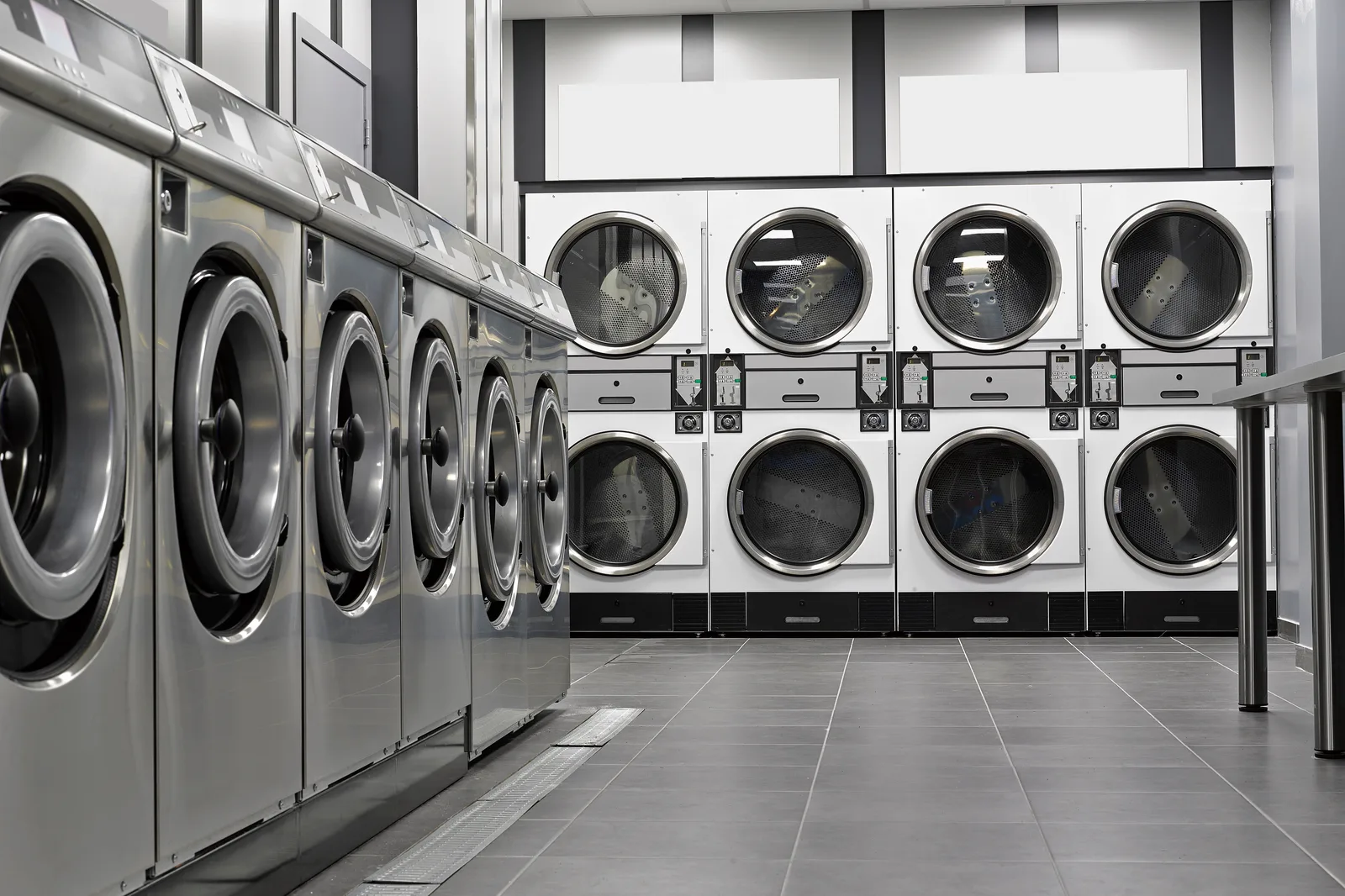
Laundromats combine water, soap, constant foot traffic, and hard floors in one open space. Overfilled machines spill, wet garments drip, and rain tracks in at the entrance. Because the public moves freely through the floor without supervision at every step, a single unattended wet spot can put someone down. That is why slip-and-fall dominates laundromat general-liability loss runs and why it deserves a deliberate prevention plan rather than ad-hoc mopping.
The financial logic is straightforward: claim frequency drives general-liability pricing, and a slip-and-fall claim’s impact on renewal is one of the clearest cost levers an owner controls. Reduce the frequency and you protect both customers and the next renewal.
Choose flooring that grips when wet
The floor surface is the foundation of the whole defense. Slip-resistant flooring with a high coefficient of friction outperforms smooth tile dramatically once water is present. Textured porcelain, slip-rated sealed tile, and coated concrete engineered for wet environments all reduce risk. Whatever the material, it should drain well, clean easily, and not develop polished or worn patches that turn slick under even light moisture.
Pay attention to transitions — entry mats, thresholds, and any step or ramp are high-risk zones. Quality walk-off matting at the entrance captures tracked-in rain before it reaches the main floor, addressing one of the most common sources of a slip near the door. Where employees are present, the OSHA walking-working-surfaces standards (29 CFR 1910) set the baseline expectations a slip-resistant floor should meet.
Post signage the moment a floor is wet
Visible wet-floor signs belong out the instant a floor is mopped, a spill happens, or rain is being tracked in. Permanent signage near entrances reminding patrons that floors may be wet establishes a baseline warning that is always present. Signage does not eliminate liability on its own, but consistent, prompt use supports the argument that customers were warned of a known condition.
Make signage a staff habit, not a judgment call. A simple rule — “if it is wet, the sign is out” — removes hesitation and keeps the practice consistent across shifts and across self-service and full-service operating models.
Light the floor so customers can see hazards
Poor or uneven lighting hides the very puddles, spills, and floor edges a customer would otherwise step around. Bright, even lighting across the floor, the entrances, and any change in level lets patrons spot hazards and helps cameras capture conditions if a claim later arises. Treat a burned-out fixture as a safety item rather than a cosmetic one, and replace it promptly.
Lighting does double duty: it reduces falls and it strengthens the after-hours security posture covered in coin box and card system security. A well-lit location is safer and more defensible on both counts.
Keep drainage working so water leaves the floor
Working floor drains and proper slope move overflow and spilled water off the walking surface quickly — far more effectively than mopping alone. Standing water near machines is a primary fall hazard, so keep drains clear, maintain slope toward them, and address pooling the moment it appears. A laundromat that physically removes water from the floor has fewer opportunities for a fall than one that relies on catching every spill by hand.
Real-World Scenario: A customer slipped near a bank of washers at a busy neighborhood laundromat and reported an injury, claiming the owner had left water on the floor. The owner produced a dated cleaning-and-inspection log showing the floor had been checked and mopped on a regular interval that day, plus camera footage and photos of the wet-floor sign that staff had placed near a recent overflow. The documentation showed a reasonable standard of care had been followed throughout, and the general-liability carrier was able to handle the claim on solid footing rather than fighting from behind.
Run a mop-and-log routine as the claim defense
The single most powerful document in a slip-and-fall claim is a dated log of inspections and cleanings. It shows the location followed a reasonable, routine standard of care. If a fall occurs, the log demonstrates the owner was not negligent and addressed hazards on a schedule — often the strongest piece of evidence a general-liability carrier can use to defend or resolve the claim.
Build the log into the shift: record each floor check and cleaning with a time stamp, note any spill addressed, and keep the record where staff and adjusters can find it. The discipline mirrors the dated vent-cleaning log that prevents dryer fires — in both cases, documentation converts good practice into provable practice. That same record becomes part of the loss history a buyer inspects when you sell.
Train staff on what to do after a fall
Even a well-run location can have an incident, so train staff for the moment after one. Attend to the injured person first. Then document the scene: photograph the area, note the time, preserve camera footage, and record what was on the floor and what signage was present. Report the incident to the carrier promptly.
Calm, complete documentation taken in the moment protects everyone and gives the general-liability adjuster what they need to handle the claim fairly. General workplace-safety rules for walking-working surfaces apply where employees are present — the OSHA general-industry standards (29 CFR 1910) set baseline expectations for floor safety in a workplace, and locations with attendants should align with them.
Address the seasonal and weather-driven spikes
Slip-and-fall risk is not constant through the year. Rain, snow, and ice tracked in from the entrance turn the area near the door into the highest-risk zone in the building during wet weather. Plan for it: add extra walk-off matting in the wet season, increase the floor-check frequency on rainy days, and make sure the entrance is the best-lit spot in the location. A predictable seasonal spike is one you can staff and document against rather than be surprised by.
The same logic applies to peak hours. A busy Saturday concentrates foot traffic, spills, and tracked-in moisture into a few hours, so the cleaning cadence should tighten when the location is full. Matching your floor-check interval to actual traffic — rather than a fixed clock — is both better prevention and stronger evidence of reasonable care if a claim later arises.
Coordinate slip prevention with your other risk controls
Slip-and-fall prevention does not stand alone. The lighting that helps customers see a wet floor also supports the cameras that document a fall and deter the after-hours theft covered in coin box and card system security. The drainage that keeps water off the floor is the same plumbing whose failure could trigger a property or equipment breakdown claim. Treating these systems as one connected program — rather than separate checklists — gets more protection from each dollar spent and produces a single, coherent maintenance record.
For attended locations offering wash-dry-fold, staff presence is itself a slip-prevention asset: attendants can spot and address a spill in real time, place signage immediately, and log the action. That live coverage is one of the quiet advantages an attended model holds over a purely unattended floor.
Connect prevention to how the location underwrites
Carriers cannot promise a fixed discount, but slip-and-fall frequency is a major driver of general-liability pricing for laundromats, as our what drives laundromat insurance cost overview explains. A location with slip-resistant floors, consistent signage, even lighting, working drainage, and a documented cleaning log presents as a lower-frequency risk, which supports more favorable treatment at quote and at renewal.
State context matters too. High-rainfall and coastal markets track in more water — a dynamic explored in laundromat insurance cost by state and climate — so owners in places like Florida, Washington, New York, and Massachusetts have extra reason to harden their entry matting and drainage. State insurance rules vary as well, and the NAIC directory of state insurance departments links to each regulator. Buyers evaluating a laundromat purchase should look for these same controls before they take title, and the Consumer Product Safety Commission publishes guidance on the safe operation of the equipment customers use.
When the floors, signage, lighting, drainage, and logging are all in place, you have done the work that protects customers first and the renewal second. Start a quote when your prevention plan is in place, and read about our approach to laundromat risk.