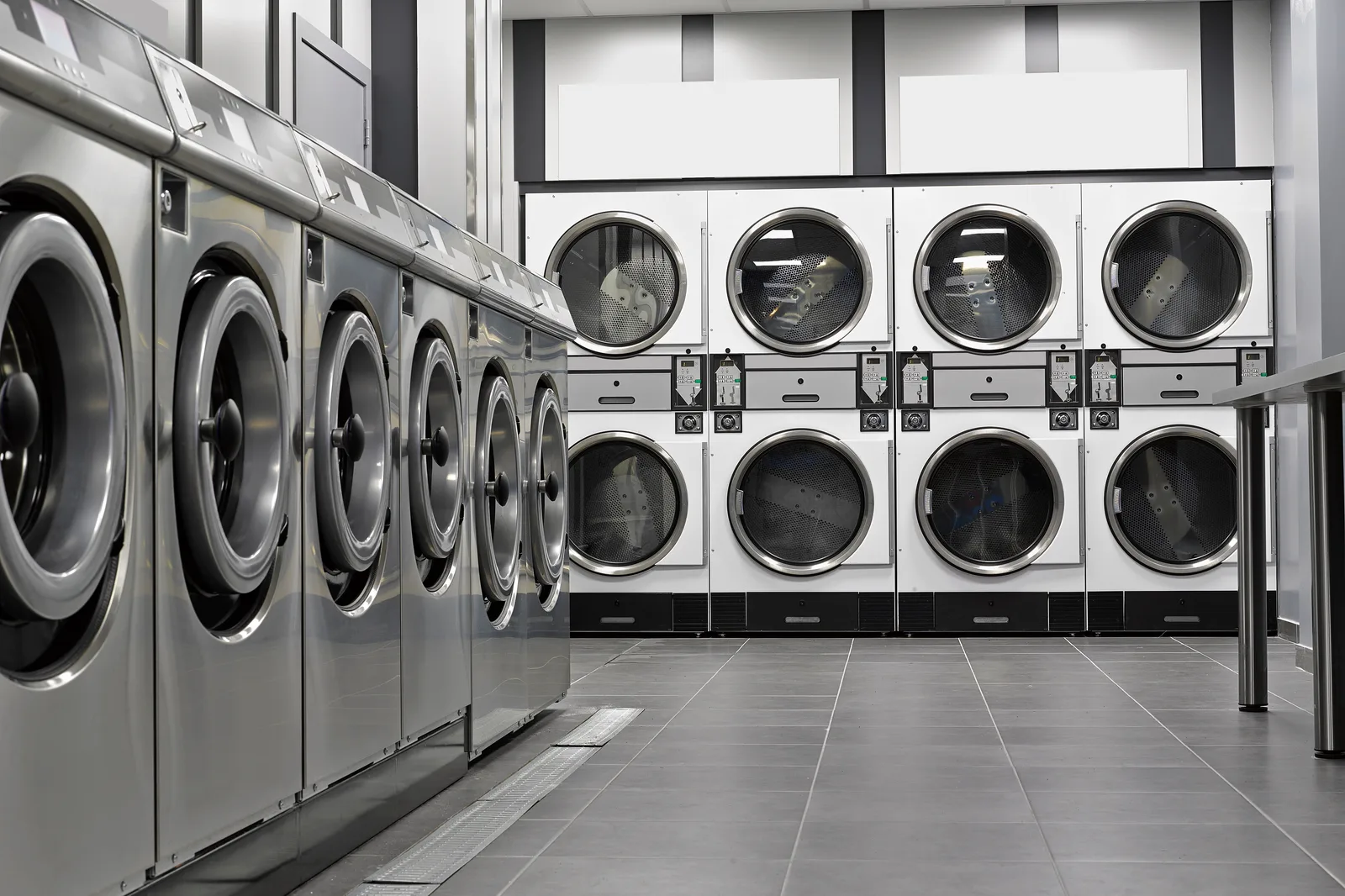
Colorado laundromats carry an exposure profile few other states match: the Front Range is one of the most hail-battered corridors in the country, wildfire now reaches built-up suburban ground, and altitude brings hard overnight freezes much of the year. The Colorado program needs a broker who underwrites hail, wildfire interface, and freeze — not a generic strip-mall package.
Nate Jones is a CPCU-designated insurance broker and the founder of Wexford Insurance, LLC and Laundromat Guard Insurance. He places Colorado laundromat coverage around the Front Range hail corridor, the wildland-urban-interface exposure the 2021 Marshall Fire made plain, altitude freeze-burst risk, Colorado Division of Insurance filings, Colorado Division of Workers’ Compensation rules, and Colorado Department of Public Health and Environment dry-cleaner oversight from Denver to the Western Slope — through a 15-carrier specialty panel covering 48 U.S. states. Reach him via the Laundromat Guard Insurance quote form or call 317-942-0549.
Last updated · Reviewed by Nate Jones, CPCU
Colorado laundromats share a catastrophe profile that bears directly on the property line. The Front Range — the Denver, Colorado Springs, Fort Collins, and Boulder corridor where most of the state’s population lives — is among the most hail-battered regions in the country. Severe spring and summer storms pound roofs, rooftop HVAC, and signage year after year, and that hail history is the first thing a property underwriter weighs on a Front Range submission.
Two other exposures sit alongside the hail. Wildfire is no longer a remote-forest problem: the 2021 Marshall Fire showed that fast-moving, grass-driven fire can reach built-up suburban ground, so a laundromat near a wildland-urban-interface zone can face a wildfire surcharge or tighter property terms. And altitude brings hard overnight freezes across much of the calendar, driving the supply-line burst that floods a wash floor. The attended counter adds the bailee exposure the moment a wash-dry-fold ticket is taken.
This page walks through what laundromat insurance costs in Colorado, the regulatory framework, the coverage lines that build the program, the risks specific to the state, the claims we actually see, and the major markets where we place coverage.
48 stateslicensed and writing laundromat coverage
15+specialty markets on the panel
1–2 hrquote turnaround on most submissions
COFront Range to the Western Slope, statewide
Running a Front Range site and unsure how the hail and wildfire-interface profile shapes the property rate on the program? Start a quote and we will build the program to the exposures.
What Colorado Laundromat Insurance Costs
There is no single price for a Colorado laundromat program, because the premium is assembled from the operation’s specifics and from a catastrophe profile dominated by hail, wildfire interface, and altitude freeze. The drivers below move the number.
Operating model. A pure self-service laundromat carries property and liability; an attended full-service laundromat running wash-dry-fold adds bailee and a workers’ compensation policy; a site taking in higher-value garments edges toward the dry-cleaner tier, where the per-piece bailee value runs higher.
Front Range hail profile. A site in the Denver-to-Colorado-Springs hail corridor carries a property rate loaded for repeated roof and rooftop-HVAC damage — the single largest geographic cost driver in the state.
Wildfire interface. A location in or near a wildland-urban-interface zone can draw a wildfire surcharge or tighter property terms.
Machine count, age, and value. The property and equipment-breakdown premium tracks the number, age, and replacement value of the washers and dryers.
Altitude freeze. Hard overnight freezes much of the year drive a freeze-burst water-damage loading on the property line.
Claims history. Prior hail, water-damage, bailee, or slip-and-fall claims move the rate and can narrow the set of carriers willing to quote.
Colorado Laundromat Regulations & Licensing
Several state agencies shape the program — from the regulator that oversees the carriers to the environmental authority that watches dry-cleaner solvent history.
Insurance regulation
The Colorado Division of Insurance, within the Department of Regulatory Agencies (DORA), regulates the carriers and the commercial policy forms a laundromat program is filed under, overseeing the admitted market and the licensing of the brokers who place property, liability, and bailee coverage.
Workers’ compensation
Colorado runs a competitive workers’ compensation market — the coverage is placed through a commercial carrier, not a state monopoly fund — and the Colorado Division of Workers’ Compensation, within the Department of Labor and Employment, administers and enforces the system. The line is mandatory the moment a first employee is hired, including a single part-time attendant. Federal worker-safety rules under OSHA 29 CFR 1910 — machine guarding, lockout/tagout, hot-surface handling — apply to the laundry floor and inform the safety expectations behind the rate.
Local and municipal overlays
A lease in a multi-tenant retail center layers on additional-insured and certificate requirements that shape the documents a landlord demands.
The Colorado Division of Fire Prevention and Control and local fire authorities enforce fire-code requirements that bear directly on laundromats. Dryer-vent and lint-duct maintenance is a leading fire cause, and a documented cleaning schedule is among the first items a property underwriter asks about — and the same division coordinates the wildfire response that drives interface underwriting.
Tax and registration
A laundromat registers with the Colorado Department of Revenue for the applicable sales and use tax obligations on vending and retail product sales. These are operating requirements rather than insurance requirements, but they confirm the business structure an underwriter reviews.
Coverage Lines for Colorado Laundromats
A Colorado laundromat program is built from four core lines placed through the specialty panel. Each links to its full coverage page.
General liability. Third-party bodily injury and property damage — most commonly the customer who slips on a wet floor. Premises traffic on hard, wet floors keeps this exposure live all day.
Property insurance. The building, contents, and machines against fire, hail, water damage, theft, and vandalism. Equipment breakdown — the marquee sub-coverage for a laundromat — sits inside the property program and pays for the mechanical and electrical failure of washers, dryers, water heaters, and control systems. Business income within this line replaces revenue while hail, wildfire, a freeze-burst, or a rooftop-system loss keeps the doors closed.
Bailee’s coverage. Pays for damage to or loss of customers’ wash-dry-fold and drop-off goods while in your care — the gap general liability excludes by design. Sized to drop-off volume, with a transit sublimit for pickup-and-delivery routes.
Workers’ compensation. Employee medical care and lost wages for attendant injuries — lifting strains, dryer burns, repetitive-motion folding injuries, and slips on a wet work floor. In Colorado this line is placed through a commercial carrier under the Colorado Division of Workers’ Compensation system and is required once you hire your first attendant.
Upgrading a coin site to wash-dry-fold? See the self-service program you are starting from, then request a full-service quote — and we will fit the bailee and workers’ comp pieces to the new operation.
Common Laundromat Risks in Colorado
The Colorado risk picture is shaped by Front Range hail, a real wildfire interface, altitude freeze, and severe high-plains wind.
Hail damage. Severe Front Range storms pound roofs and rooftop HVAC across the Denver, Colorado Springs, and Boulder markets — the single largest catastrophe driver on a Colorado property insurance program.
Wildfire interface. Fast-moving grass-driven fire can reach built-up suburban ground, as the 2021 Marshall Fire showed; a site near a wildfire-prone zone can see tighter property terms or a surcharge.
Altitude freeze-burst. Hard overnight freezes much of the year can rupture a supply line and flood a wash floor, which is why property with equipment breakdown and business income is load-bearing statewide.
Slip-and-fall on wet floors. Water, detergent, and foot traffic mix on hard floors all day, sharpest in the high-traffic Denver and Aurora markets. A customer injury routes to general liability.
Wash-dry-fold loss. At an attended site, a ruined load or a lost garment from a multi-bag drop-off is a bailee’s coverage claim — the laundry is property in your care from intake to pickup.
Attendant injury. Lifting heavy wet orders, reaching into hot dryer drums, and long folding shifts produce the strains and burns the workers’ compensation line pays.
Common Colorado Laundromat Claims We See
The claims that come through a Colorado laundromat program cluster around hail, wildfire, freeze, the work floor, and customer property. The descriptions below are qualitative — appetite and adjuster handling vary, and none name specific carriers.
Hail roof and rooftop-HVAC loss. A severe Front Range storm damages the roof and the rooftop cooling units. The property line pays the physical damage; business income replaces revenue while repairs run.
Wildfire closure. A wildland-urban-interface fire forces an evacuation or damages a building near a wildfire-prone zone. The property and business-income lines respond to the loss of operations.
Altitude freeze-burst flood. A supply line ruptures during a hard overnight freeze and floods the wash floor. The property line pays the damage and business income replaces the lost revenue.
Ruined or lost wash-dry-fold order. A drop-off load processed on the wrong cycle, a bleach event on colored garments, or a bag that cannot be reconciled to the intake ticket. The bailee line responds; the intake ticket is the record.
Customer slip-and-fall. A customer goes down on a wet floor near the folding stations. General liability handles the bodily-injury claim and any settlement.
Equipment breakdown. A washer motor burns out or a water-heating system ruptures mid-shift. Equipment breakdown pays to repair or replace the machine and can pay the income loss while it is down.
Major Colorado Laundromat Markets
We place laundromat coverage across the Colorado markets below. Each carries a distinct underwriting profile.
Denver — Front Range hail corridor
Denver laundromats run dense neighborhood and full-service sites in a metro that ranks among the most hail-battered in the country. Severe spring and summer storms pound roofs and rooftop HVAC, driving the hail loading that is the first item a Denver property underwriter weighs, and the high-traffic premises keep the slip-and-fall liability exposure live all day.
Colorado Springs — high-altitude El Paso County market
Colorado Springs laundromats sit at high altitude on the southern Front Range, where hail and severe wind combine with sharp overnight freezes much of the year. The freeze cycle drives supply-line burst risk and the hail drives roof loss, keeping property with equipment breakdown and business income load-bearing on a Springs program.
Fort Collins — northern Front Range university market
Fort Collins laundromats serve a renter-heavy university population in a fast-growing northern Front Range city. The dense student-driven foot traffic on wet floors elevates the slip-and-fall liability exposure, and the same Front Range hail corridor that hits Denver runs through Larimer County, loading the property line.
Boulder and the wildfire-interface foothills
Boulder-area laundromats sit at the edge of the wildland-urban interface where the 2021 Marshall Fire reached built-up suburban ground. A site in or near a wildfire-prone zone can see a wildfire surcharge or tighter property terms, and the foothills location layers hail and high-wind exposure onto the property program.
Aurora — eastern metro high-traffic premises
Aurora laundromats serve a dense, renter-heavy eastern-metro population at high attended and wash-dry-fold volume. The premises traffic on hard, wet floors sharpens the slip-and-fall liability exposure, and route-running full-service operators add a commercial-auto layer and a bailee transit sublimit to the program.
Pueblo and the southern-Colorado market
Pueblo laundromats serve a southern-Colorado market in older commercial building stock along the Arkansas River corridor. The dated construction raises the base fire and water rate, and the high-plains hail and severe-wind exposure feeds a property-line catastrophe loading on a Pueblo risk.
We place laundromat coverage across 48 U.S. states through a 15-carrier specialty panel that writes the laundromat and dry-cleaner classes specifically. For a Colorado operation that means we structure the full program — general liability, property with equipment breakdown, bailee’s coverage, and workers’ compensation — to the hail, wildfire, and freeze exposures the site actually faces.
A generic agent quoting a strip-mall package can underprice the Front Range hail loading or miss a wildfire-interface footprint that tightens property terms. We build the program to the actual operation — a hail-corridor Denver full-service site, a high-altitude Colorado Springs location, a Boulder-foothills interface risk — and we add the commercial-auto layer when pickup-and-delivery routes are part of the business.
The placement work is done by a CPCU-credentialed broker, the senior property and casualty credential the industry awards, and the panel is reviewed quarterly so carrier appetite shifts do not surprise you at renewal.
Related Reading
Coverage lines that build a Colorado laundromat program:
No Colorado statute requires a laundromat to carry property or general liability coverage on its own. A commercial lease almost always demands general liability with the landlord as additional insured, and a building loan requires property coverage. Workers’ compensation is the mandatory line: under the Colorado Division of Workers’ Compensation, an attended laundromat must carry it the moment a first attendant is hired.
Why is hail such a major exposure for Colorado laundromats?
The Front Range is among the most hail-battered corridors in the country. Severe spring and summer storms drive damaging hail across the Denver, Colorado Springs, and Boulder markets, pounding roofs, rooftop HVAC units, and signage. Property insurance pays the physical damage, and business income within that line replaces revenue while a roof or rooftop system is repaired — which is why the property rate carries a real hail loading on a Front Range program.
How does wildfire risk affect a Colorado laundromat program?
Colorado has a real wildland-urban-interface exposure, and the 2021 Marshall Fire showed that fast-moving grass-driven fire can reach built-up suburban areas, not just remote forest. A laundromat in or near a wildfire-prone zone may see a wildfire surcharge or tighter property terms. Equipment breakdown and business income within the property line address the loss of operations if a fire forces a closure or damages the building.
Do I need bailee’s coverage for an attended Colorado laundromat?
If you accept drop-off bags or wash-dry-fold tickets, yes. The moment an attendant takes the order, the customer’s laundry is property in your care, custody, or control — and general liability excludes exactly that. A ruined load or a lost garment from a multi-bag order is paid out of pocket without bailee’s coverage, which is sized to the drop-off volume the operation actually handles.
Where do I buy workers’ compensation for a Colorado laundromat?
Colorado is a competitive-market workers’ compensation state, so the coverage is placed through a commercial carrier rather than a state monopoly fund. The Colorado Division of Workers’ Compensation, within the Department of Labor and Employment, administers and enforces the system. An attended wash-dry-fold laundromat must carry the line once a first employee is hired, rated on payroll, classification, and claims history.
How does dry-cleaning solvent history affect a Colorado laundromat?
If your building previously housed a dry cleaner, the site may carry perchloroethylene contamination subject to Colorado Department of Public Health and Environment oversight and the federal Perc air-emission standard. That environmental history can complicate a property placement and may require an environmental review. A laundromat offering only an outsourced dry-clean drop-off generally avoids the on-site solvent exposure, but the building’s prior use still matters at underwriting.
What drives the cost of laundromat insurance in Colorado?
There is no single price. The premium is built from machine count, age, and value; whether the site is attended and runs wash-dry-fold; the building’s construction and location within the state; and prior claims. A Front Range hail profile and a wildfire-interface footprint both feed the property rate, and altitude freeze adds a water-damage loading a Colorado underwriter weighs.
Can you write a laundromat anywhere in Colorado?
Yes. We place laundromat coverage statewide through a specialty carrier panel — across the hail-prone Denver metro, the high-altitude Colorado Springs market, the university-driven Fort Collins and Boulder corridor, and the mountain-town and Western Slope markets. The commercial package and the workers’ compensation line are each sized to the specific site, its operating model, and its hail, wildfire, and freeze exposure.
Tell us about your operation — location within the state, self-service or attended hours, wash-dry-fold volume, payroll for the workers’ comp line, machine count and age, pickup-and-delivery routes, prior claims if any — and we will route the program to the carriers in our panel.